Uncategorized
Defining the Phases of the Project Life Cycle and Their Importance
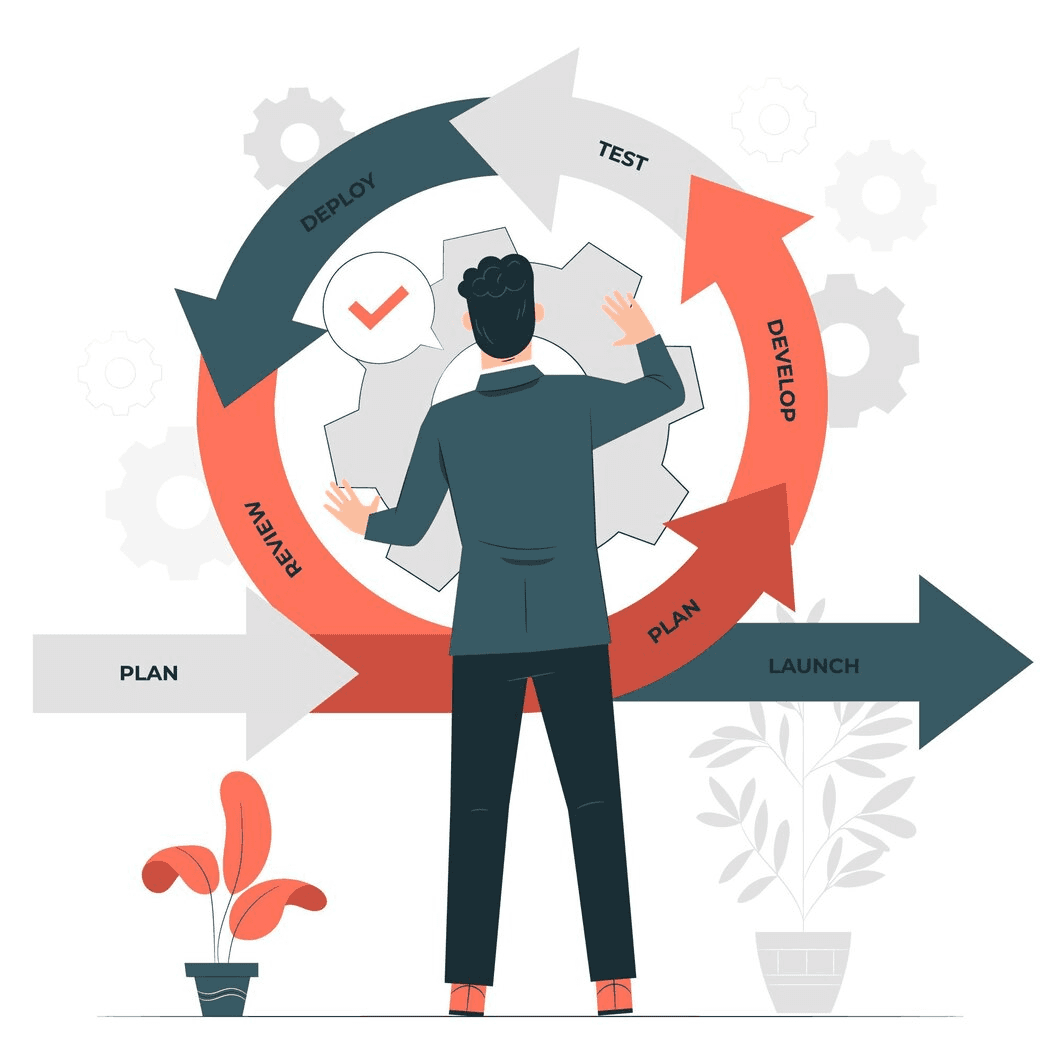
Freelancers often face the dilemma of managing multiple projects simultaneously while striving to meet diverse client expectations. Without a structured approach, projects can become disorganized, leading to missed deadlines and dissatisfaction. To overcome this, mastering project management becomes crucial. The project life cycle phases act as a guiding framework, enabling freelancers to navigate complexities effectively. [ ]
Oct 16, 2024
pinromadmin

Project Management Tips
Best Practices for Managing Project Risks and Ensuring Project Success
Complex project environments often introduce unpredictability and uncertainty. Identifying potential risks becomes crucial as factors such as team dynamics, client expectations, and resource limitations vary. Freelancers’ availability and differing levels of expertise can create delays, complicating project timelines. A structured approach, including stakeholder input, project scope reviews, and an analysis of internal and external elements, [ ]
Oct 16, 2024
pinromadmin
Project Management Tips
Understanding Agile vs. Waterfall: Which Methodology Is Right for Your Project?
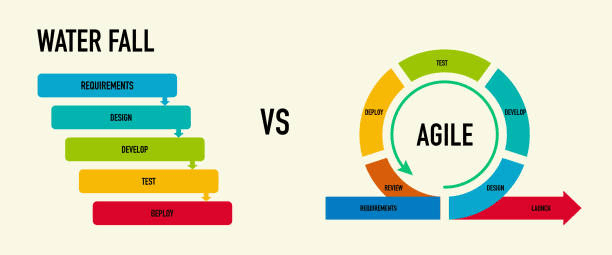
Selecting the right project management methodology poses a significant dilemma for many organizations. This choice hinges on various factors, including project complexity, team dynamics, and the level of client involvement. Agile and Waterfall stand out as two contrasting methodologies, each bringing unique strengths and limitations to the table. Gaining a comprehensive understanding of these methodologies [ ]
Oct 16, 2024
pinromadmin

Project Management Tips
Understanding the Basics of Work Breakdown Structures
Project teams often face confusion and miscommunication due to poorly defined tasks and deliverables, which can derail progress and lead to unmet objectives. Implementing a structured framework for organizing these components addresses these issues directly. Work breakdown structures (WBS) clarify roles and responsibilities, ensuring that all team members understand their contributions to the project. This [ ]
Oct 16, 2024
pinromadmin

Uncategorized
Reducing Freelancer Burnout: Creating Sustainable Work Schedules
Freelancers encounter significant obstacles that contribute to burnout. The freedom to select projects and manage schedules requires a high level of self-discipline and organization. Consequently, many become trapped in cycles of overcommitment, resulting in chronic stress and reduced productivity. Implementing effective project management strategies empowers freelancers to take charge of their workloads, fostering healthier and [ ]
Oct 14, 2024
pinromadmin

Project Management Tips
Creating Buffer Time: The Importance of Flexibility in Project Schedules
Many projects suffer due to rigid schedules that fail to accommodate unexpected changes. Resource limitations, shifting client demands, and fluctuating market conditions frequently disrupt timelines. To address this issue, project managers must adopt a more flexible approach. Integrating buffer times into project schedules provides a viable solution, acting as safety nets that absorb delays without [ ]
Oct 14, 2024
pinromadmin

Uncategorized
Prioritization Strategies: How to Avoid Overcommitting to Multiple Clients
Freelancers frequently face the pressure of managing multiple clients with competing demands, which can scatter focus and hinder productivity. This disarray often results in missed deadlines and increased stress, jeopardizing both creativity and client relationships. To address this predicament, freelancers should implement structured prioritization strategies. These strategies not only help organize tasks based on urgency [ ]
Oct 13, 2024
pinromadmin

Project Management Tips
Collaborative Scheduling: Coordinating Tasks Between Different Freelancers
Many teams find themselves facing the dilemma of coordinating efforts across a diverse group of freelancers. This fragmentation often leads to inefficiencies, miscommunication, and unmet deadlines. To address this complexity, organizations can implement a strategic framework that prioritizes collaborative scheduling. By focusing on meticulous planning, fostering clear communication, and leveraging the right technology, teams can [ ]
Oct 13, 2024
pinromadmin

Uncategorized
Creating Effective Project Schedules: Tips and Techniques
Freelancers encounter conflicts between the demand for creative flexibility and the pressure of tight deadlines. This tension often results in rushed work, sacrificing quality for the sake of delivery. The absence of a structured approach to project scheduling exacerbates this problem, leading to missed revisions and delays. However, integrating a project schedule that accounts for [ ]
Oct 11, 2024
pinromadmin